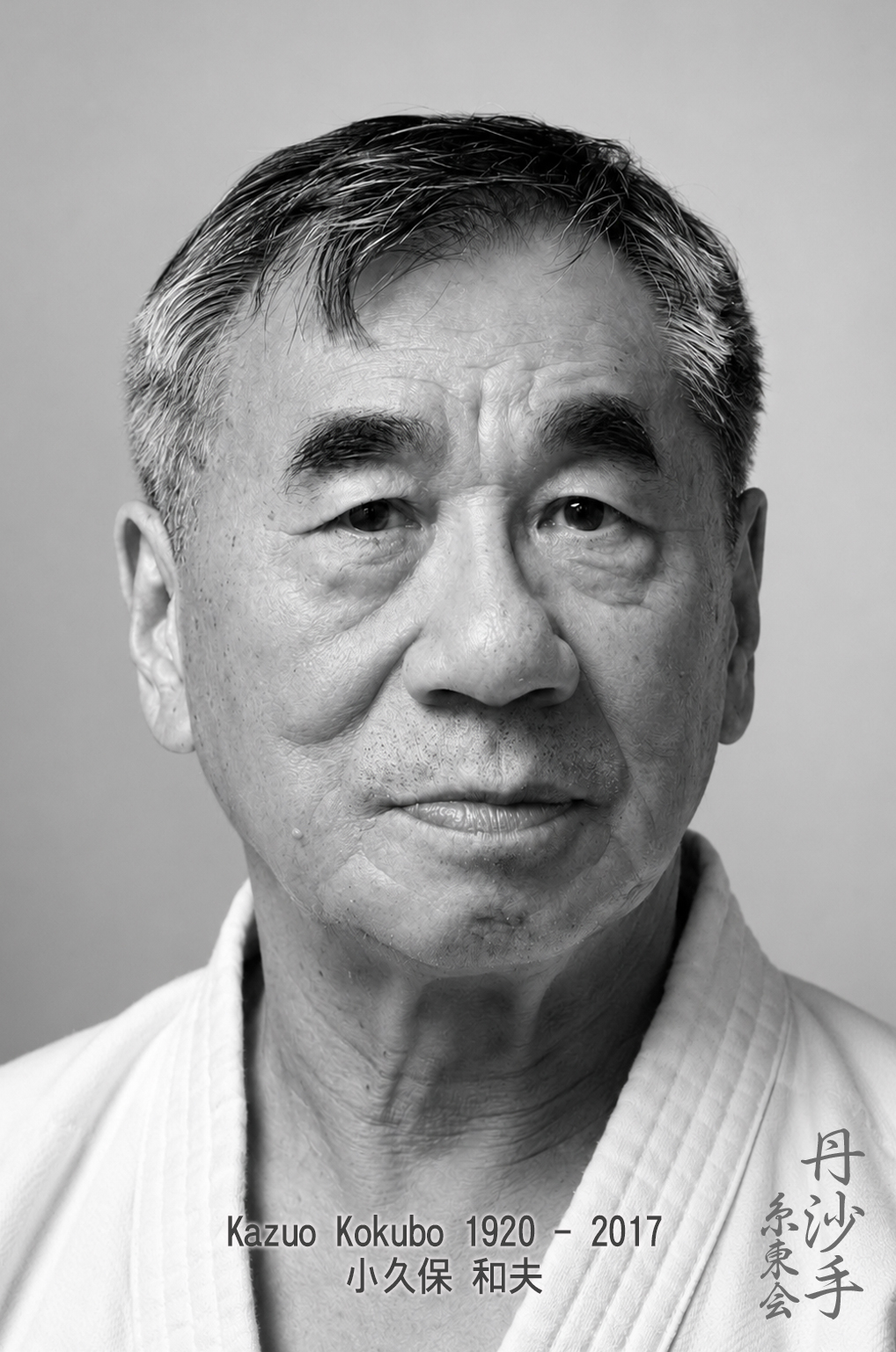
Kazuo Kokubo Sensei (1920 – 2017)
A Post-War Witness to the Teaching of Kaiso Kenwa Mabuni
Kazuo Kokubo Sensei holds a meaningful place in the history of Shito-ryu Karatedo and the Shitokai tradition. He belonged to the post-war generation of Japanese karate practitioners who trained during a time of hardship, recovery, and rebuilding. His connection to Kaiso Kenwa Mabuni, the founder of Shito-ryu Karatedo, gives his recollections great value for anyone seeking to understand the early transmission of Shito-ryu after World War II.
Kokubo Sensei was part of a generation shaped by discipline, sacrifice, and direct teacher-to-student instruction. Japan after the war faced severe challenges. Food was limited, training conditions were poor, and many dojo and university clubs had to rebuild from difficult circumstances. Despite these conditions, dedicated students continued their training with strong spirit and deep respect for their teachers.
In 1948, Kokubo Sensei entered Kansai University. Around this period, the karate club at the university was being revived. The students invited Master Kenwa Mabuni to guide their training and help restore karate practice in the university environment. This moment was significant because university karate clubs became key centers for the growth, organization, and preservation of karate in post-war Japan.
Through this training, Kokubo Sensei came into direct contact with the teaching of Master Mabuni. His memories describe a training culture far removed from comfort or modern convenience. The students practiced with worn uniforms and limited physical strength because daily life itself was difficult. Yet their dedication remained firm. They trained because they respected karate, honored their teacher, and understood their responsibility to preserve the art.
Kokubo Sensei also trained at the Osaka headquarters connected to Master Mabuni. His recollections describe a humble and demanding environment. The floor was unstable, the tatami were old, and the training space was dusty. Master Mabuni continued to teach under these conditions, showing the strength of his commitment to the art and to his students.
These memories reveal the true character of traditional karate transmission. Shito-ryu was not preserved through comfort, wealth, or public recognition. The art survived through sincere practice, personal loyalty, and the direct passing of knowledge from teacher to student.
One of Kokubo Sensei’s most meaningful memories was a five-day training camp at Mt. Shiragi in Nara with Master Mabuni. During this camp, the students brought their own food and trained together under simple conditions. Master Mabuni shared stories about his own training in Okinawa, his experiences with other budo masters, ancient martial methods, and the deeper meaning of karate practice.
For Kokubo Sensei, this experience was more than physical training. The camp became a living lesson in history, character, spirit, and transmission. Through Master Mabuni’s words and example, the students received a deeper understanding of karate beyond technique.
Kokubo Sensei’s historical value comes from this direct connection to the living memory of Kaiso Kenwa Mabuni. His recollections help preserve the human side of Shito-ryu history. Through his memories, modern practitioners see Master Mabuni not only as the founder of a karate style, but also as a teacher who continued to guide students during one of Japan’s most difficult periods.
Kokubo Sensei also reminds us of the many sincere practitioners who helped carry Shito-ryu forward. Some became widely known leaders. Others preserved the art quietly through training, loyalty, and personal example. Together, they helped protect the spirit of Shito-ryu and pass the tradition to later generations.
The legacy of Master Kazuo Kokubo Sensei rests in his role as a post-war witness to the teaching of Kaiso Kenwa Mabuni. His memories offer a rare window into the hardship, humility, and dedication behind the survival of Shito-ryu Karatedo after World War II.
His story teaches us that karate is not only technique. Karate is endurance. Karate is respect. Karate is responsibility. Karate is the duty to preserve what was received from the teacher and pass it forward with sincerity.
Kazuo Kokubo Sensei should be remembered as one of the dedicated practitioners who helped protect the spirit of Shito-ryu during a difficult period in history. Through his life and recollections, we understand more clearly the value of loyalty to the teacher, respect for tradition, and sincere daily practice.