Official Webpage of A.Tanzadeh, 8th Dan, Kyoshi 糸東会

shitokai

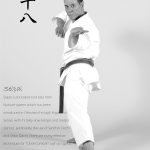
Seipai ( 十 八 ) Kata

Seipai is an advanced kata from Naha-te system which has been introduced in Okinawa through Higaonna Sensei, with it’s fairly slow tempo and rooted stances, particularly the use of Sanchin Dachi and Shiko Dachi. There are many effective techniques for … Continue reading →
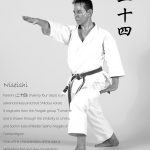
Niseishi (二十四) Kata

Niseishi (二十四) (Twenty four steps) is an advanced kata practiced in Shitoryu karate. It originates from the Aragaki group “Tomari-te and is shown through the similarity to Unshu and Sochin kata of Master Seisho Aragaki of Tomrai region. One of the characteristics of this … Continue reading →

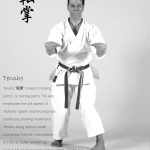
Tensho “転掌” Kata

Tensho “転掌” it means “rotating palms”, or “turning palms. This kata emphasizes the soft aspects of “Naha-te” system and encompasses continuous, flowing movements. Tensho, along with its harder counterpart Sanchin, was created in 1921 as “Softer Sanchin” by Master Chojun Miyagi from … Continue reading →

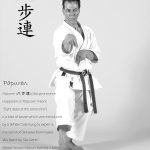
Papuren (八 步 連) Kata

Papuren (八 步 連) (also pronounce Happoren or Paipuren means “Eight steps at the same time”) is a kata of karate which was introduced by a White Crane Kung fu expert in the island of Okinawa from master Wu Xian … Continue reading →

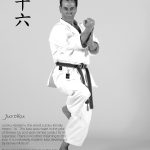
Juroku (十六) Kata

Juroku «Sixteen», the word Juroku literally means ‘16’. This kata was made in the year of Showa 16, so it was named juroku’16’ in Japanese. There is no other meaning to this kata. It is a relatively modern kata developed … Continue reading →

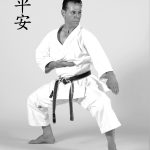
Heian (平安) Kata

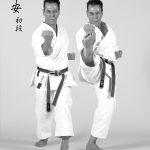
Heian or “Pin-an” Way of peace (literally, “Great Peace”, sometimes translated as “Calm Mind”, “Peaceful Mind”). The Heian kata series was introduced into the Okinawan School District karate program as gym training from 1905 to 1907 by Master Ankoh Itosu. … Continue reading →

Jion (慈恩) Kata

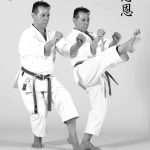
Jion 慈恩 (“Mercy” or “Merciful sound”) is a representative kata in group of Master Itosu of Shuri-te system because of the importance of the perfection of the basic stances it contains. Jion with Ji’in and Jitte are group of katas … Continue reading →

Suparinpei (壱百零八) Kata

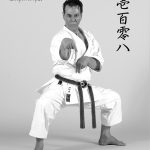
Suparinpei (壱百零八) is one of the original Kata from Ryu Ru Ko Sensei while he was in Fuzchou in the Fukien Province of Southern China and was handed down to Kanryo Higaonna Sensei. Visually it is similar to the Chinese White Crane Kata and the Kempo Kata of … Continue reading →

Nipaipo (二 十 八 歩) Kata

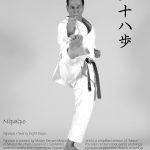
Nipaipo «Twenty Eight Steps» Nipaipo is created by Master Kenwa Mabuni and is a simplified version of “Nepai” of Master Wu Xian Crane Fist ( Go Kenki ). This kata contains foot works and large scale of consecutive movements. Nipaipo … Continue reading →

Matsumora ha Rohai (鷺牌) Kata

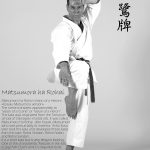
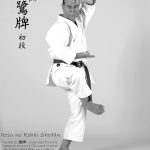
Matsumora ha Rohai «Vision of a Heron» «Kosaku Matsumora version» The name translates approximately to “vision of a Crane” or “vision of a Heron”. This kata was originated from the Tomari-te school of Okinawan martial arts. It was called Matsumora … Continue reading →

Tomari Chinto (泊鎮東) Kata

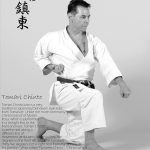
Tomari Chinto kata is a very traditional Japanese/Okinawan style kata from Tomari-te. Unlike the more commonly seen Chinto kata of of Master Itosu, which is performed in a straight line to the front and rear, Tomari Chinto is performed along a … Continue reading →

Itosu no Rohai Shodan (鷺牌) Kata

The Rohai (鷺牌)  originated from the Tomari-te school of Okinawan martial arts. It was called Matsumora Rōhai, after Kosaku Matsumora, who was presumably its inventor. Master Itosu later took this kata and developed three kata from it: Rohai shodan, Rohai nidan, and Rohai sandan.  In Shitoryu beside “Matsumora ha Rohai, also precise … Continue reading →

Naihanchi Shodan (ナイハンチ初段) Kata

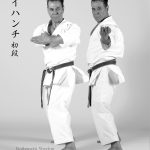
Naihanchi (ナイハンチ) performed in Naihanchi-Dachi It translates to ‘Internal Divided Conflict‘ or “Inner Tension Stance”. The form makes use of in-fighting techniques. In  Naihanchi Shodan is the first San Kyu (Brown Belt Kata). There are three modern kata derived from this (Shodan, … Continue reading →

Heian (平安) Kata “Heian Shodan”

Way of peace (literally, “Great Peace”, sometimes translated as “Calm Mind”, “Peaceful Mind”). The Heian kata series was introduced into the Okinawan School District karate program as gym training from 1905 to 1907 by Master Ankoh Itosu. Sensei Ankoh Itosu … Continue reading →

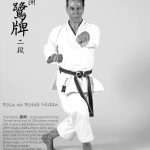
Itosu no Rohai Nidan (鷺牌) Kata

The Rohai (鷺牌)  originated from the Tomari-te school of Okinawan martial arts. It was called Matsumora Rōhai, after Kosaku Matsumora, who was presumably its inventor. Master Itosu later took this kata and developed three kata from it: Rohai shodan, Rohai nidan, and Rohai sandan.  In Shitoryu beside “Matsumora ha Rohai, also precise … Continue reading →

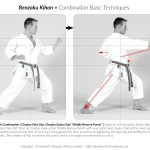
Renzoku Kihon = Combination Basic Techniques (1)

Block & Punch Combination ( Chudan Yoko Uke, Chudan Gyaku Zuki “Middle Reverse Punch” ) Stand on Left Zenkutsu Dachi, Block with your left arm “Chudan Yoko Uke” then do Chudan Gyaku Zuki “Middle Riverse Punch” with your right hand. … Continue reading →

Keitai no Hoji

Keitai no Hoji = Using each technique in its proper place

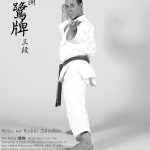
Itosu no Rohai Sandan (鷺牌) Kata

The Rohai (鷺牌) originated from the Tomari-te school of Okinawan martial arts. It was called Matsumora Rohai, after Kosaku Matsumora, who was presumably its inventor. Master Itosu later took this kata and developed three kata from it: Rohai shodan, Rohai … Continue reading →

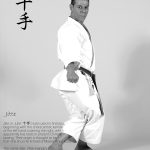
Jitte (十手) Kata

Jitte or Jutte ‘十手’a kata used in Shitoryu, beginning with the characteristic kamae of the left hand covering the right, which apparently has roots in ancient Chinese boxing. Their origin is thought to be from the Shuri-Te School of Master … Continue reading →