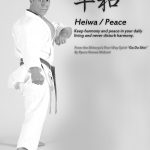
Keep harmony and peace in your daily living and never disturb harmony. From the Shitoryu’s Five-Way Spirit “Go Do Shin” By Ryuso Kenwa Mabuni

Keep harmony and peace in your daily living and never disturb harmony. From the Shitoryu’s Five-Way Spirit “Go Do Shin” By Ryuso Kenwa Mabuni
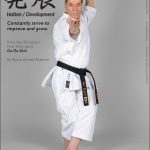
Constantly strive to improve and grow. From the Shitoryu’s Five-Way Spirit “Go Do Shin”By Ryuso Kenwa Mabuni
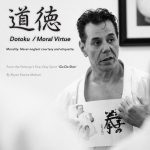
Morality. Never neglect courtesy and etiquette. From the Shitoryu’s Five-Way Spirit “Go Do Shin” By Ryuso Kenwa Mabuni
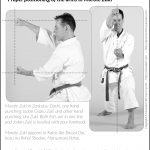
Morote Zuki in Zenkutsu Dachi, one hand punching Jodan Gyaku Zuki and other hand punching Ura Zuki. Both fists are in one line and Jodan Zuki is leveled with your forehead. Morote Zuki appears in Katas like Bassai Dai, Itosu … Continue reading
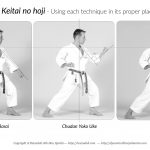
Keitai no Hoji = Using each technique in its proper place.
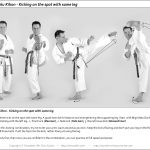
Renzoku Kihon – Kicking on the spot with same leg Executing three kicks on the spot with same leg. A good exercise for balance and strengthening the supporting leg. Start with Migi Moto Dachi, Chudan Kamae and kicking with the … Continue reading
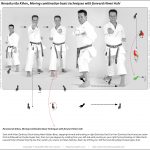
Renzoku Ido Kihon, Moving Combination Basic Techniques with forward Hineri Ashi Start with Hidari Zenkutsu Dachi doing Hidari Gedan Barai, stepping forward and landing on right Zenkutsu Dachi (or Han-Zenkutsu Dachi) execute Jodan Oi Zuki followed by Chudan Gyaku Zuki, … Continue reading
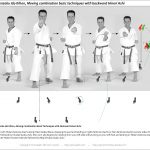
Renzoku Ido Kihon, Moving Combination Basic Techniques with backward Hineri Ashi Start with Hidari Zenkutsu Dachi doing Hidari Gedan Barai, stepping forward and landing on right Zenkutsu Dachi (or Han-Zenkutsu Dachi) execute Jodan Oi Zuki followed by Chudan Gyaku Zuki, … Continue reading
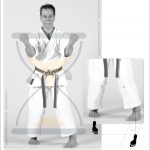
Sanchin-dachi (Hourglass Stance) From Heiko-Dachi stance move one foot forward until the toes of the rear foot are on the same horizontal line as the heel of the front foot and in 30 degrees inward. This powerful stance is used … Continue reading
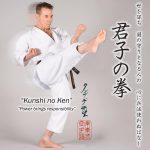
Master Mabuni’s motto “Kunshi no Ken” which means to concentrate on cultivating one self to become a well rounded, respectful individual. The person who is able to accomplish this as well as to exercise good manners in all situations with … Continue reading
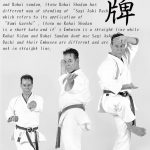
Itosu no Rohai(鷺牌) Kata Rohai (鷺牌) kata originated from the Tomari-te school of Okinawan martial arts. Master Itosu later took this kata and developed three kata from it: Rohai shodan, Rohai nidan, and Rohai sandan. Itosu Rohai Shodan has different … Continue reading
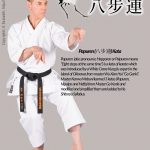
Shitoryu Karate Kata, Papuren Papuren (八 步 連) Kata Papuren (八 步 連) (also pronounce Happoren or Paipuren means “Eight steps at the same time”) is a kata of karate which was introduced by a White Crane Kung fu expert … Continue reading
Karate (空手); Japanese pronunciation: [kaɾate] is a martial art developed in the Ryukyu Kingdom. It developed from the indigenous Ryukyuan martial arts (called te (手), “hand”; tii in Okinawan) under the influence of Chinese Martial Arts…
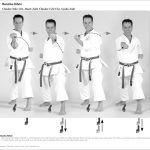
Renzoku KihonStart doing Migi Chudan Yoko Uke in Left Moto Dachi, then Shift forward your left foot to Hidari Zenkutsu Dachi and execute Hidari Jodan Maete Zuki, then Shift your left foot back to Hidari Moto Dachido Hidari Chudan Uchi … Continue reading

沖縄空手の「八大要素」= Okinawa karate no 「Hachidai youso」 Meaning : Eight most important elements in Okinawan karate フェーサ 速さ= Feesa – Hayasa Meaning : Speed アティファ 破壊力 = Atifa – HakairyokuMeaning : Destructive force/power チンクチ 締め = Chinkuchi – ShimeMeaning : Tightening チュラサ 美しさ = Churasa – UtsukushisaMeaning … Continue reading
Shitō-ryū is a combination of 4 main karate systems (Shurite, Nahate, Tomarite and Hakkaku Ken “Crane Fist”), which attempts to unite the diverse roots of karate. On one hand, Shitō-ryū has the physical strength and long powerful stances of Shuri-te … Continue reading
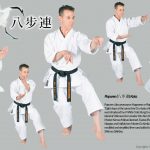
Shitoryu Karate Kata, Papuren Papuren (八 步 連) Kata Papuren (八 步 連) (also pronounce Happoren or Paipuren means “Eight steps at the same time”) is a kata of karate which was introduced by a White Crane Kung fu expert … Continue reading
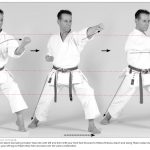
Renzoku Kihon (Combination basic technique),Start by going to Hidari Neko Ashi Dachi executing Chudan Yoko Uke with left arm then shift your front foot forward to Hidari Zenkutsu Dachi and doing Hidari Jodan Zuki followed by doing Migi Chudan Gyaku … Continue reading
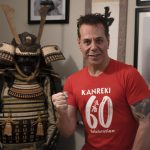
60th birthday is called Kanreki (還暦) in Japanese. Kanreki is a starting of a new Cycle of life. This kanji, 還 (kan) means circulate and 暦 (reki) is a calendar and we can understand it as years. So kanreki literary … Continue reading
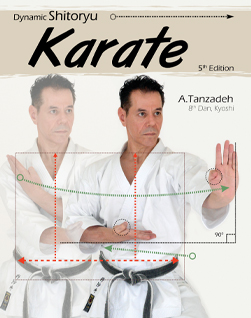

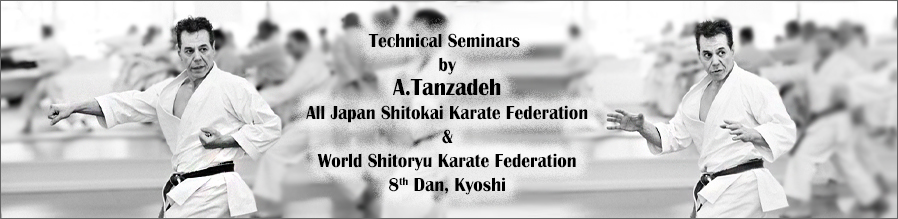
Welcome to Kyoshi A.Tanzadeh's personal webpage. President/Founder/Technical Director of Shitoryu Karate Canada(SKC) , Secretary General of Pan-American Shitoryu Karate Do Federation(PSKF) and Vice Chairman of World Shitoryu Karate Do Federation(WSKF).
A.タンザデのパーソナル ウェブページにようこそ - 代表取締役全日本空手道連盟糸東会および世界糸東流空手道連盟(WSKF)と提携していることを誇りに思います。